NorthBridge®
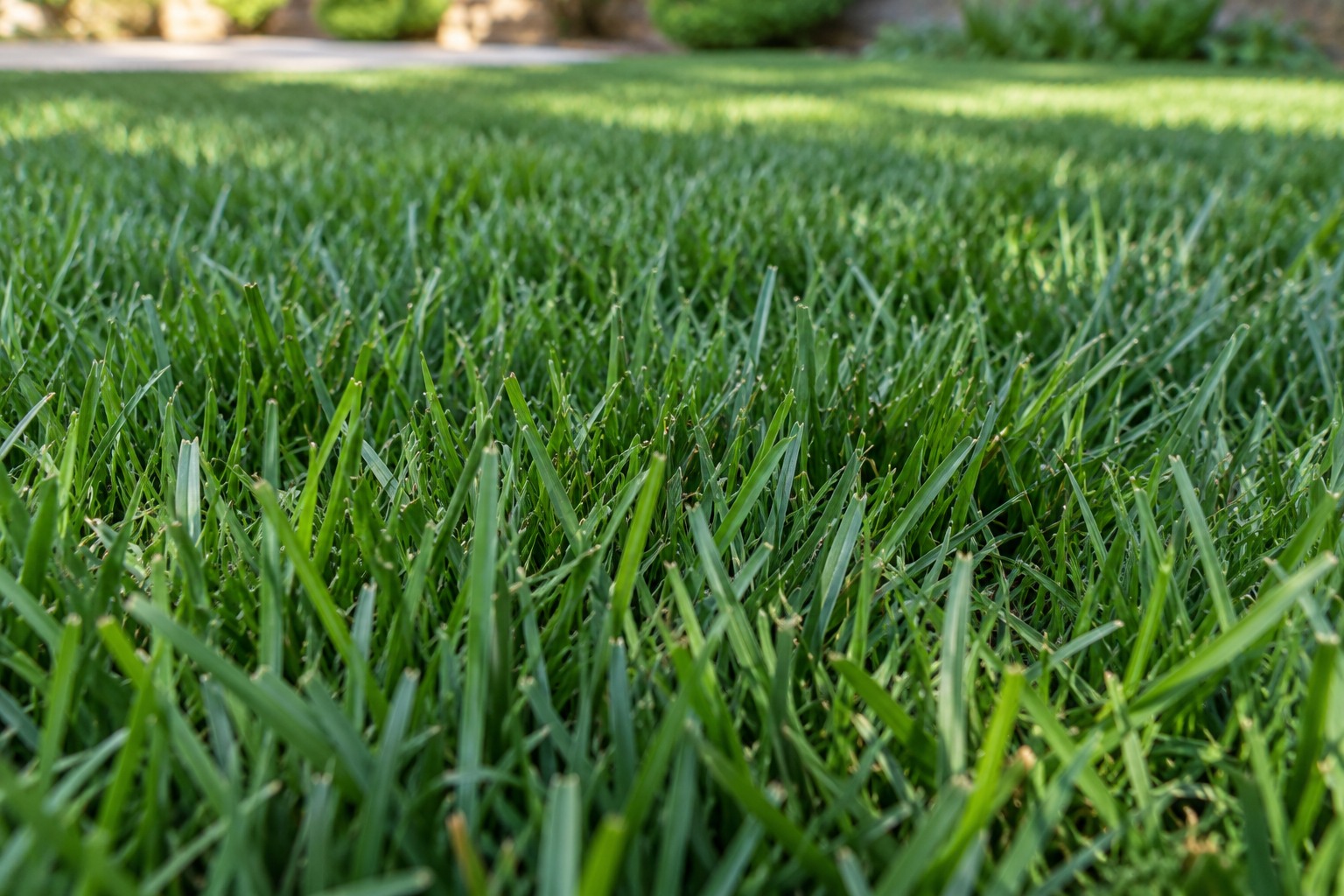
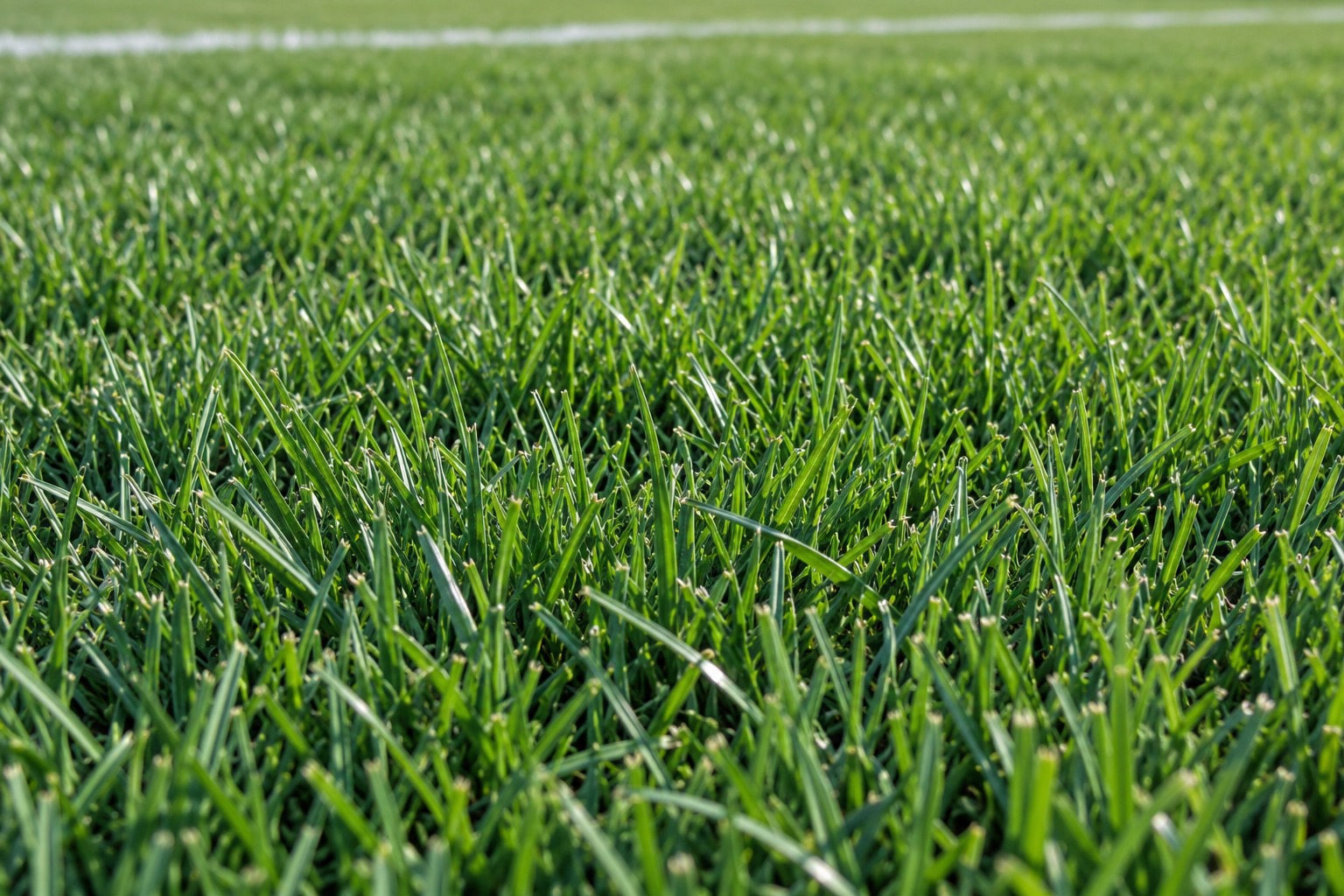
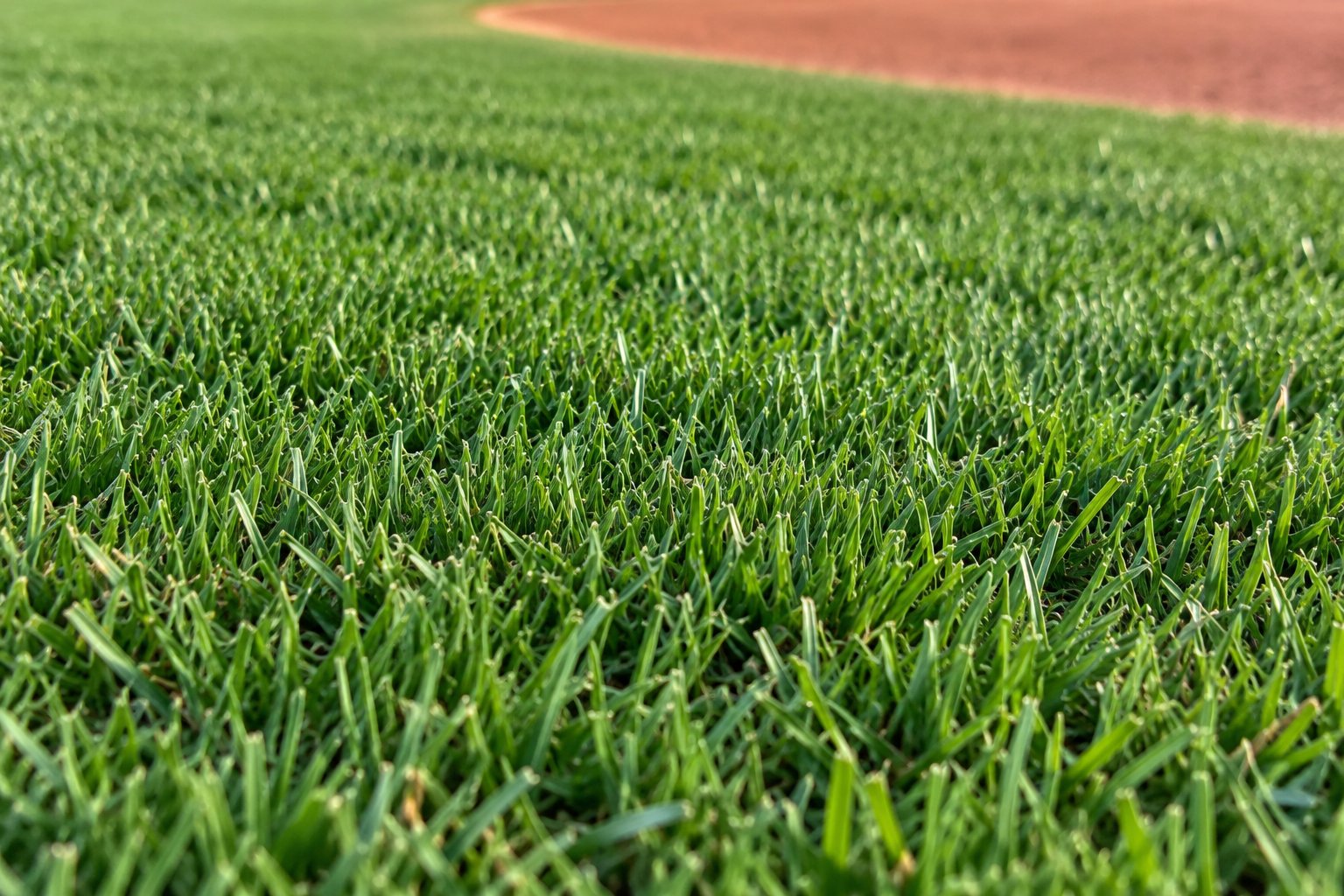
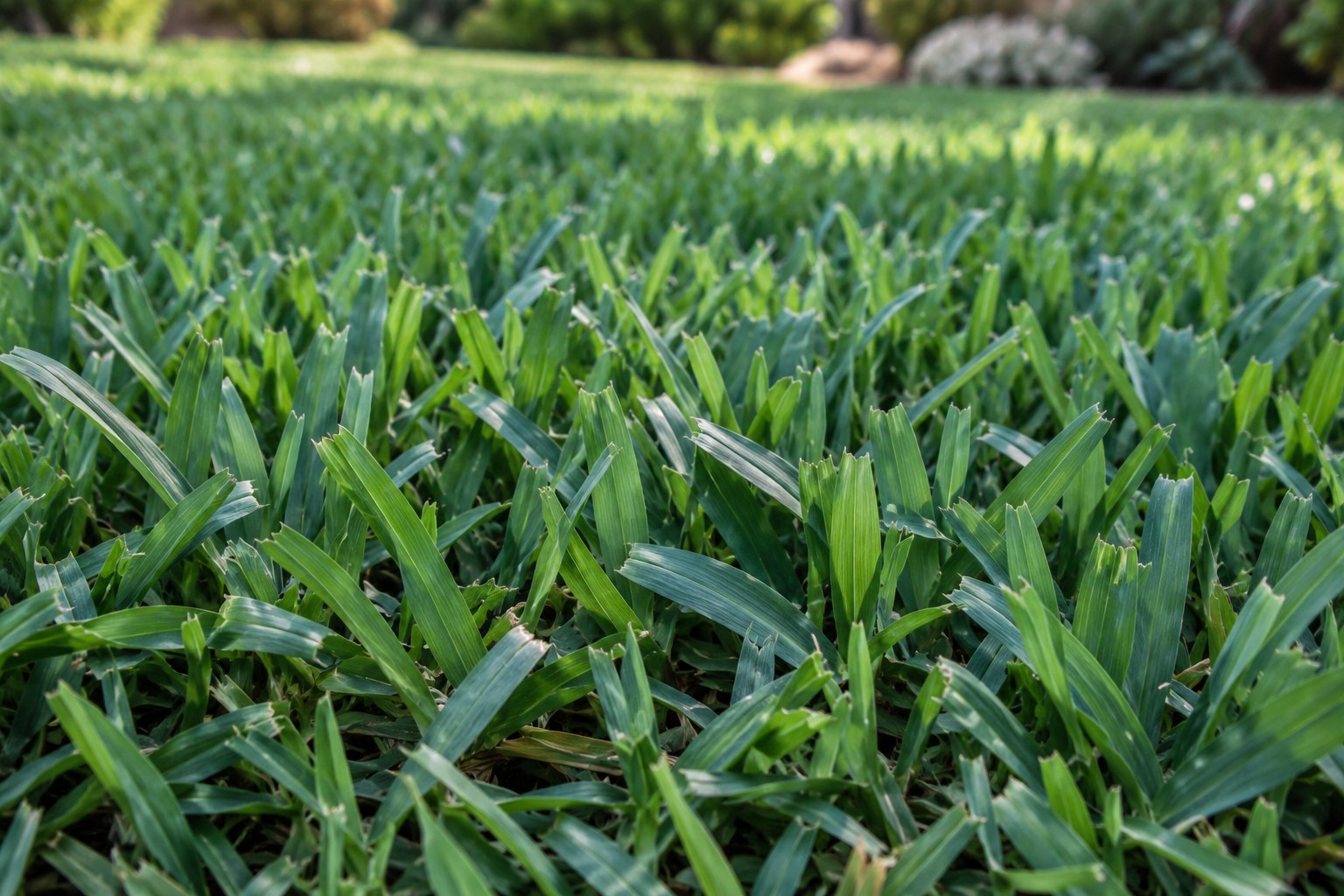
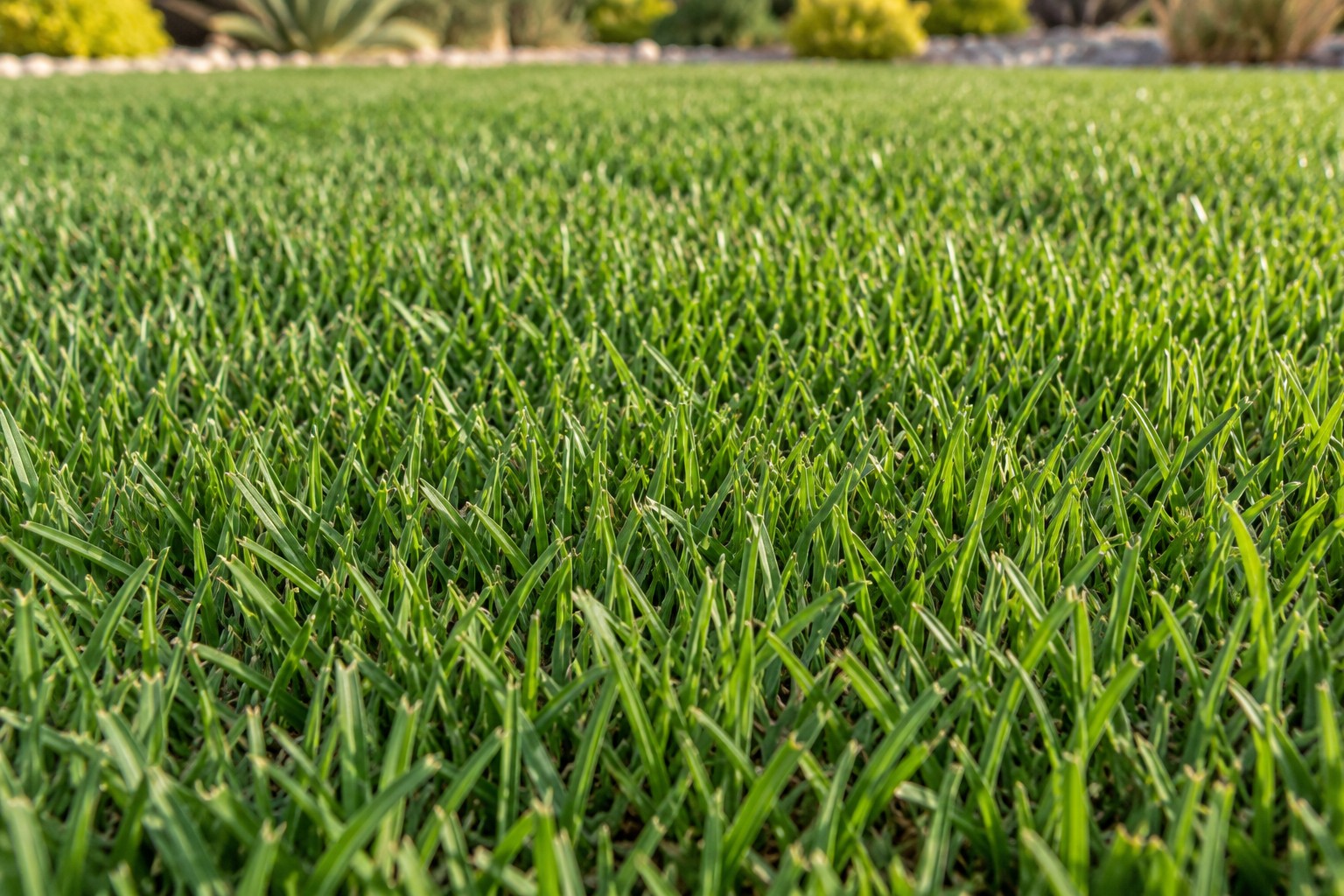
Cold-tolerant Bermuda with a fine blade and quick spring green-up, the answer for transition-zone courses and northern California.
- Northern California courses
- Sports fields
- Cool-tolerant lawns
- Blade
- Fine
- Sunlight
- Full sun
- Water
- Low – Moderate
- Traffic
- Excellent
- Mow
- 3/8 to 1 in
NorthBridge® Sod in California
A warm-season sod
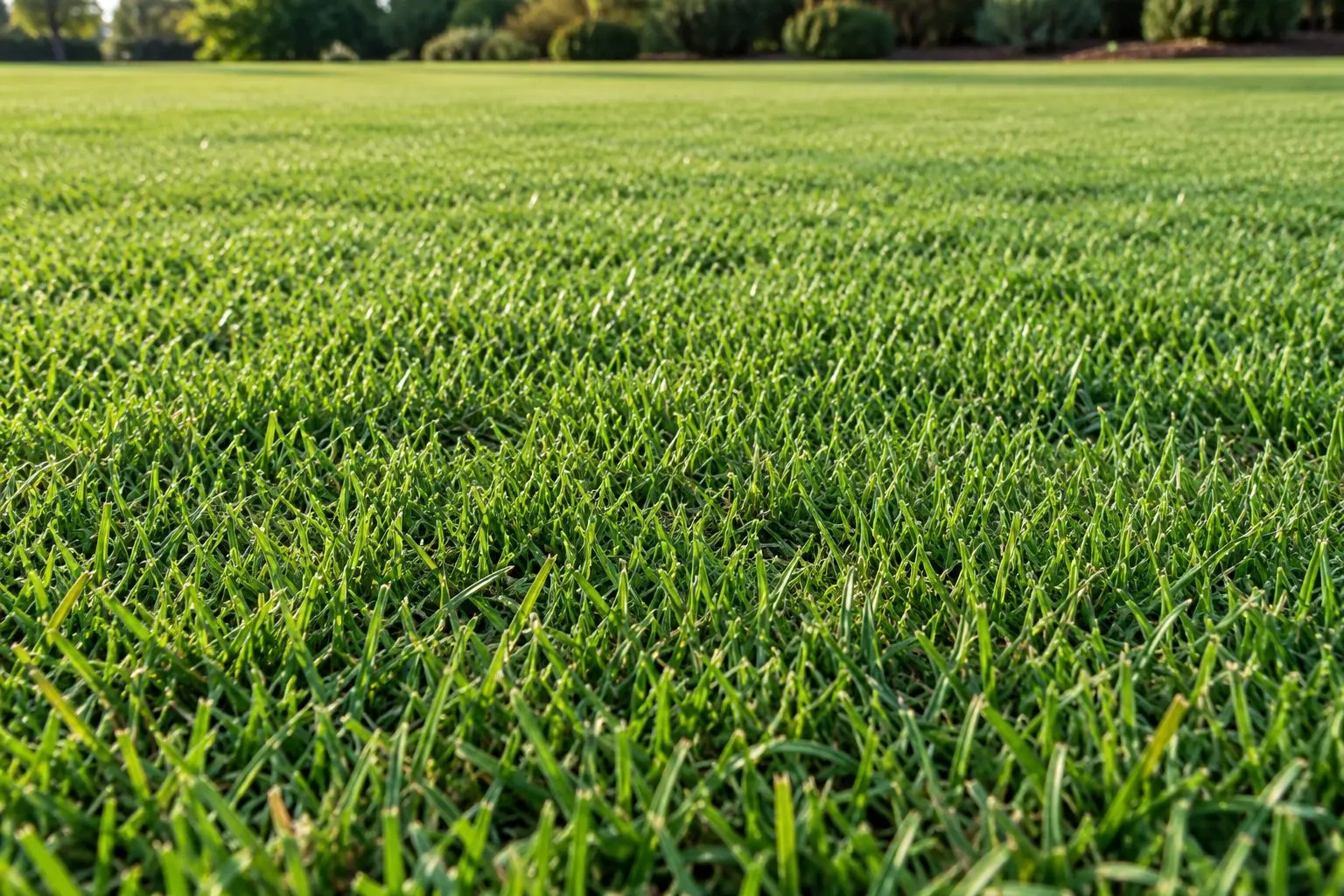
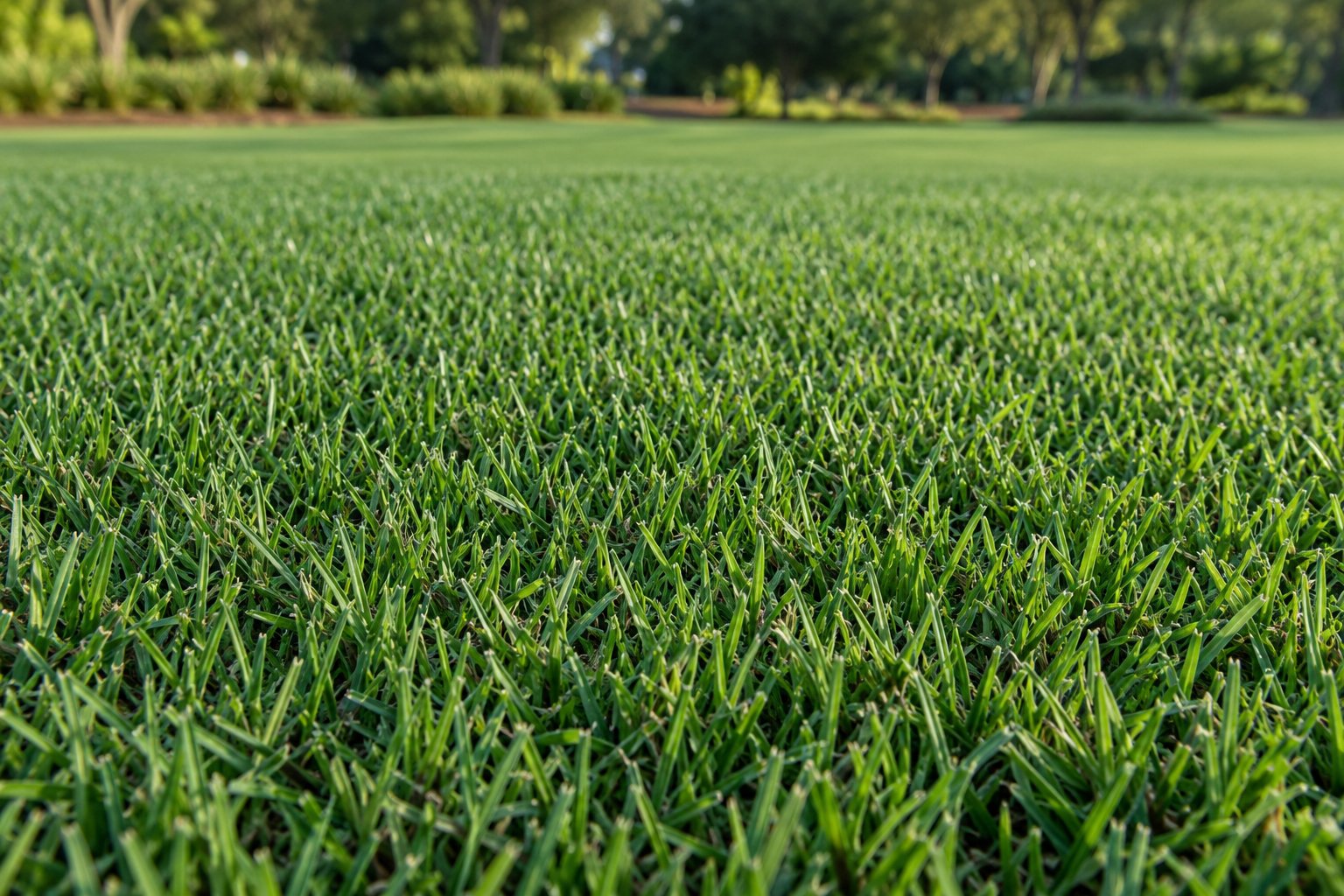
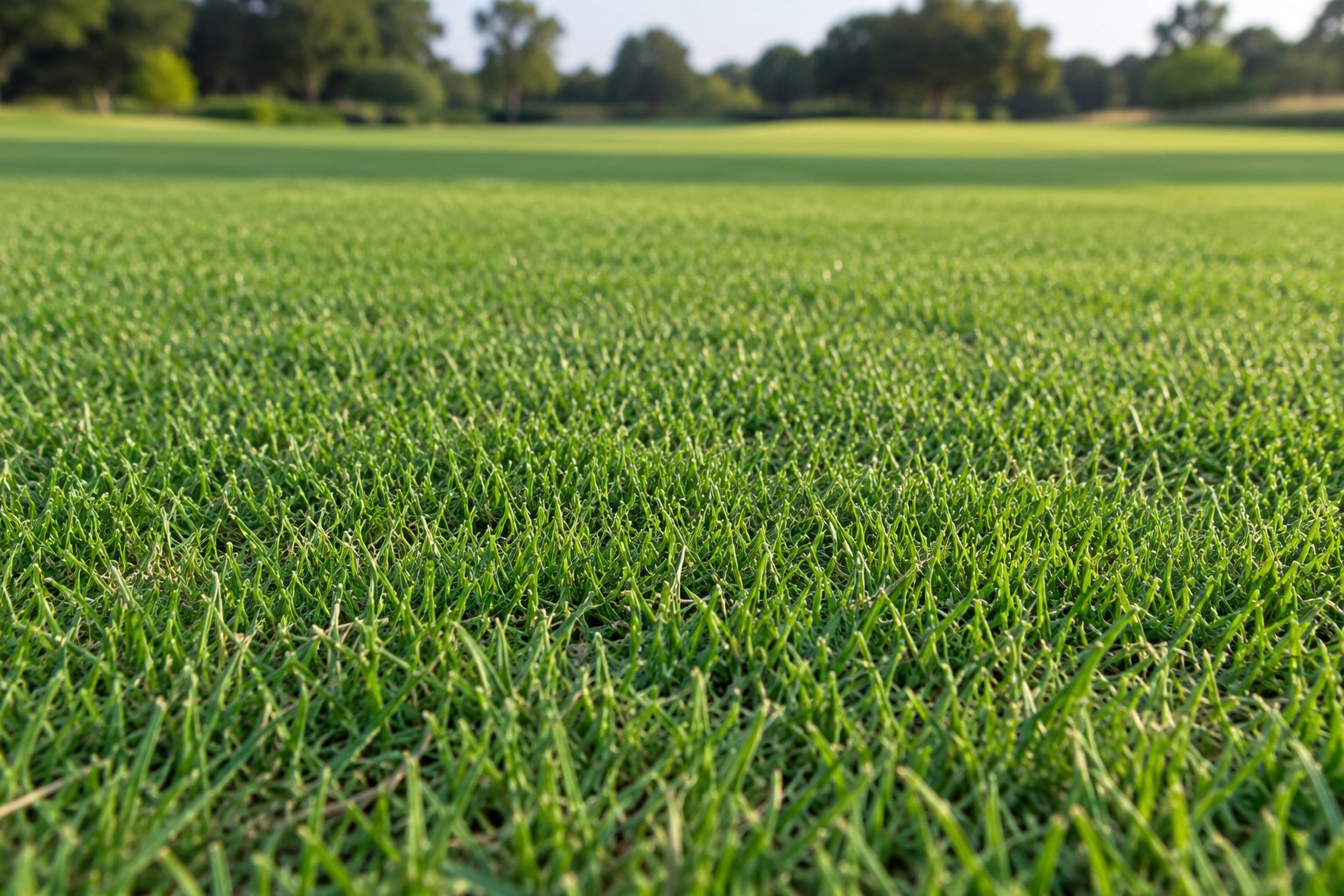
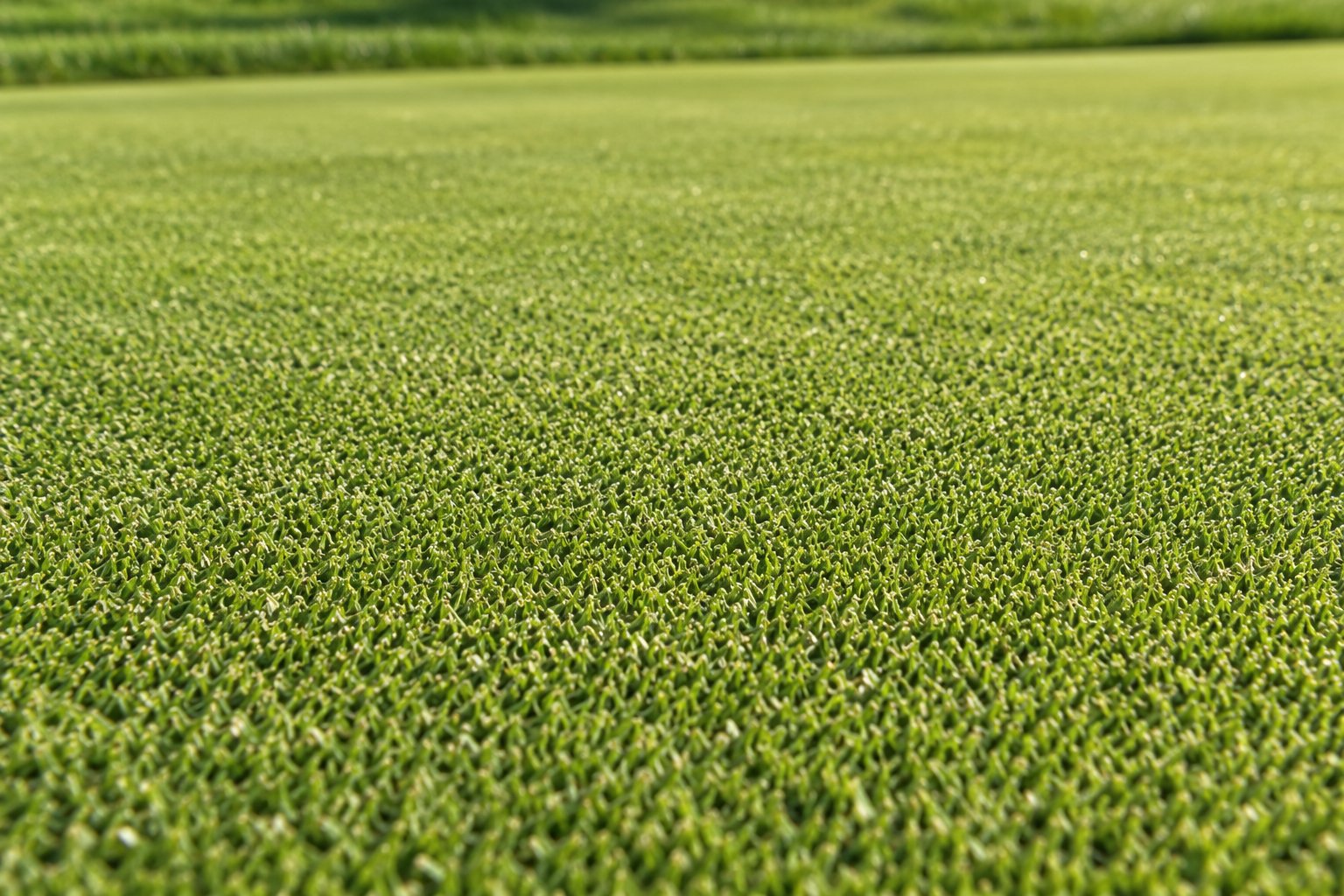
This fine-textured Bermuda grass demonstrates excellent color, disease resistance, aggressive rooting and rapid recovery. Bred for cold tolerance, NorthBridge has a shorter dormancy period than many Bermuda grass varieties. It’s a proven winner on golf courses and sports fields. Also, well-suited to commercial and residential landscapes.
These ratings give a general guideline to help you choose the right sod for your needs. For in-depth questions, contact the farm nearest you.
Watering
For the first 20 days, for optimal growth and appearance, water as needed to keep the topsoil moist. After 20 days, water three or more times a week during warm weather. No watering is required during winter dormancy. Sandy soil requires more frequent watering than clay soil. Inland areas require more water than coastal areas. Special attention should be paid to slopes and mounds where runoff occurs. More frequent, shorter watering may be necessary.
Fertilization
Fertilize in six to eight week intervals during warm weather, depending on your lawn’s color. Light green is an indication that your lawn needs fertilizer. Use an all-purpose fertilizer and follow label directions.
Mowing
Mow seven days after installation. Mow to a height of 3/8 to 1 inch. NorthBridge should be mowed at least once a week during the warm season. You will not need to mow when your sod is dormant. Never mow more than one third of the blade at one time; it may injure the plant.
Diseases
NorthBridge is highly resistant to common disease problems. The appearance of brown spots may be a result of a watering problem. If brown spots remain after adjusting your watering routine, a disease may be present. Consult your local garden center as soon as possible.
Weed & Insect
After your new sod has been established at least four weeks, you may begin pesticide application for insect control, if necessary. Because pest and weed conditions vary from area to area, it is best to follow the recommendations of your local garden center or other sod specialist for your area.
Dethatching
To minimize thatch, dethatch at least once per year or more as needed. The preferable time to dethatch is in the spring.
Technical Data
- Common Name
- NorthBridge Bermudagrass
- Species
- Cynodon dactylon
- Growth Rate
- Summer 1/2 to 3/4 inches per week
- Winter 0 to 1/2 inches per week
- Root Depth
- 3 to 6 feet, depending upon soil type and watering patterns.
Adaptability
- Soils Range
- Good tolerance to saline soil conditions. Very good for clay soils
- Temperature Tolerance
- 20°F. to 120°F.
- ET0
- .3 minimum, .5 preferred
- pH Range
- 6.0 to 7.0
- Shade Tolerance
- Prefers full sun, but tolerates 40% shade.
- Geographic Range
- (Refer to temperature chart above.)
Standards and Measures
- Size
- 8 sq. ft. per piece
- 480 sq. ft. per pallet
- Big Rolls
- 200 to 500 sq. ft.
- Soil Thickness
- 1/2 inch +/- 1/8 inch, plus top growth
- Weight
- 2,500 to 3,000 lbs. per pallet
- Other
- 100% Weed Free Sod